

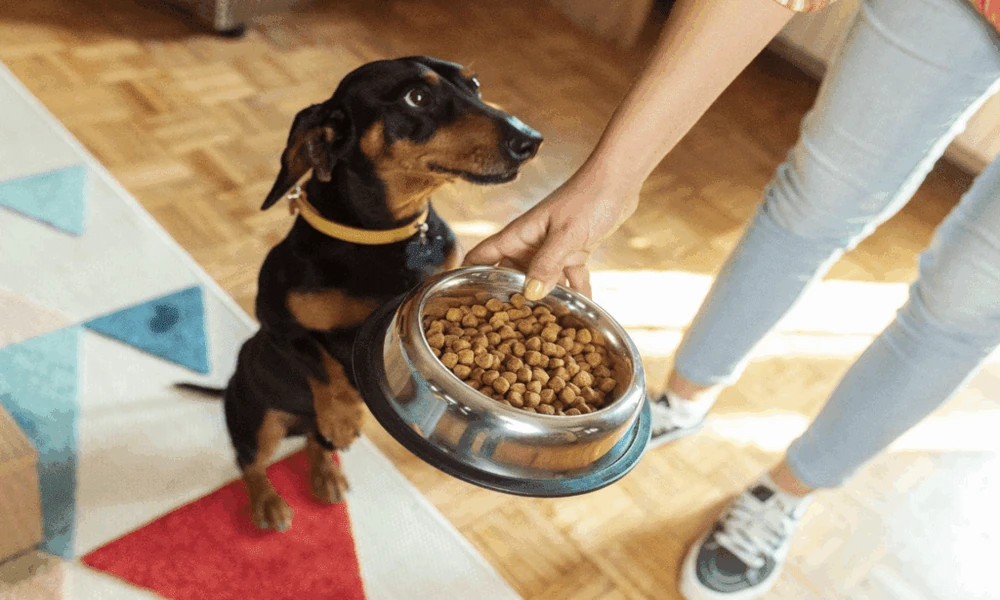
You set a reminder, hide the pill in food, call your pet over, and somehow it still turns into a standoff. Your dog spits the tablet onto the floor. Your cat disappears the second the bottle opens. By the time it is over, you are stressed, your pet is annoyed, and you are left wondering if any of the dose actually went down. If this sounds familiar, a veterinarian near Dickinson, TX may be able to help make medication time easier.
That is a common part of life for pet owners managing daily or short-term treatment. Giving medicine sounds simple until you are the one trying to do it twice a day, on time, without breaking trust with your pet. The good news is that pet medication routine tips do not need to be complicated. A few small changes can make the process calmer, more consistent, and easier to keep up with.
If your pet has just started a new prescription, start by getting clear on the basics. The FDA offers a helpful guide on questions to ask your vet about your pet’s medications, including what the drug does, how to give it, and what side effects to watch for. That one conversation can prevent a lot of stress later.
Medication routines get harder when the plan is not built for real life
Most problems with pet medication are not about lack of effort. They come from friction. The dose is due while you are rushing out the door. The instructions say to give it with food, but your pet is a picky eater. The liquid tastes bad. The tablet is too big. You miss one dose, then feel guilty, then worry you have thrown the whole treatment off.
That pressure builds fast, especially when the medicine matters for pain control, infection, seizures, thyroid disease, heart issues, or recovery after surgery. A routine that works in theory can still fail at home if it does not fit your schedule or your pet’s behavior.
That is why one of the best ways to make giving pets medicine easier is to stop treating the routine like a test of willpower. It is a system problem. Systems can be adjusted.
1. Tie the medication to something that already happens every day
Routines stick when they ride on habits you already have. If your pet eats breakfast at 7 and dinner at 6, those are stronger anchors than a vague plan to “do it later.” Link the dose to meals, walks, morning coffee, brushing your teeth, or another event that happens without fail.
This matters because memory is often the first thing to break down, not commitment. A dose tied to a fixed part of your day is less likely to be missed than one floating around in your head.
2. Ask for the easiest form of the medication
Some pets do fine with pills. Others need a liquid, chew, capsule, or flavored compound. If every dose turns into a wrestling match, ask your general veterinarian whether another form is available. The right version can change everything.
Cats are a good example. Many cat owners assume they just have to force the issue, but technique and formulation matter. Cornell has practical guidance on giving your cat oral medications, including how to position your cat and follow with water or a treat if your veterinarian recommends it.
If the medicine can be given with food, a small amount of something your pet loves may help. If it cannot, you need a different strategy. That is another reason clear instructions matter from the start.
3. Use a written schedule instead of relying on memory
When more than one person cares for the pet, missed doses and double doses become real risks. One person thinks the medicine was given. The other gives it again. Or both assume someone else handled it. A simple chart on the fridge, a shared phone note, or a medication app can solve that.
This is especially useful for pets taking more than one drug. Once the schedule includes half tablets, every other day doses, tapering instructions, or refill dates, memory is no longer enough.
| Routine tool | Best for | Main benefit | Common drawback |
|---|---|---|---|
| Phone alarms | Single daily doses | Fast and easy to set up | Easy to dismiss and forget |
| Paper medication chart | Homes with multiple caregivers | Shows exactly what was given | Needs to be updated every time |
| Pill organizer labeled by day | Pets on long term tablets | Makes missed doses easier to spot | Not right for all medications |
| Medication app or shared note | Busy schedules and travel | Accessible from anywhere | Depends on everyone using it |
4. Practice the technique before the moment gets tense
Pets read your body language fast. If you only approach them with stress, they start avoiding you before the medication even appears. Practice handling when no dose is involved. Touch the mouth gently, reward calm behavior, and keep sessions short. That lowers the temperature around the whole routine.
If you need to give pills directly, proper technique protects both you and your pet. Ohio State provides a clear guide on how to pill your pet with step-by-step handling tips. Good technique is not about forcing harder. It is about being calm, efficient, and safe.
5. Plan ahead for refills and side effects
Medication routines often fail at the edges. The bottle runs low on a holiday weekend. Your pet vomits after a dose, and you are not sure whether to give another. The drug seems to cause sleepiness, appetite changes, or diarrhea, and now you are deciding on your own whether to stop it.
Build a refill reminder when you open the bottle, not when it is almost empty. Keep the label or discharge instructions where you can see them. If your pet has a reaction, call your veterinary clinic before making changes. A solid medication schedule for pets includes what to do when things do not go as planned.
Small changes can make pet medicine routines more manageable
Start with one fix. Pick the part of the routine that fails most often. If you keep forgetting, use alarms and a written chart. If your pet fights the pill, ask about a different form. If multiple people help, create one shared log today.
Make the routine easier to repeat. Keep supplies in one spot. Store the syringe, treats, pill pockets, chart, and instructions together. Friction matters. The fewer steps between you and the dose, the more likely it gets done on time.
Call your veterinary team before you reach a breaking point. If your pet refuses medication, spits it out, or seems harder to handle each day, speak with your clinic. A general veterinarian can often suggest a new formulation, a safer technique, or a different schedule that fits your life better.
There is no prize for doing this the hard way. The goal is not a perfect routine. The goal is a routine you can actually maintain, one that gets your pet the treatment they need without turning every dose into a battle. A few practical changes can make pet medicine administration feel far less overwhelming, and if you are struggling, reach out to your veterinary clinic for help.