

You sit back in the dental chair, already doing the math in your head. How long will this take, what will they find, and is this one more thing to worry about? If you have ever felt uneasy when someone mentions dental X rays, that reaction makes sense. Most people are not thinking about imaging technology. They are thinking about comfort, safety, cost, and whether the visit will turn into a larger problem, which is why talking with an Aurora general dentist can help.
That is exactly why digital imaging has changed the experience so much. Why Digital X Rays Are Transforming General Dentistry comes down to a few plain facts. Images are available fast, radiation exposure is often lower than with older film systems, and your dentist can spot issues earlier and explain them more clearly. In a general dentist office, that means less waiting, fewer surprises, and better decisions about your care.
Digital dental radiography makes problems easier to catch early
Small dental problems rarely stay small. A cavity between two teeth can sit quietly until it reaches the nerve. Bone loss from gum disease can progress before you notice pain. An infection at the root can look minor from the outside while spreading beneath the surface. If your dentist is relying only on what they can see during an exam, important details can be missed.
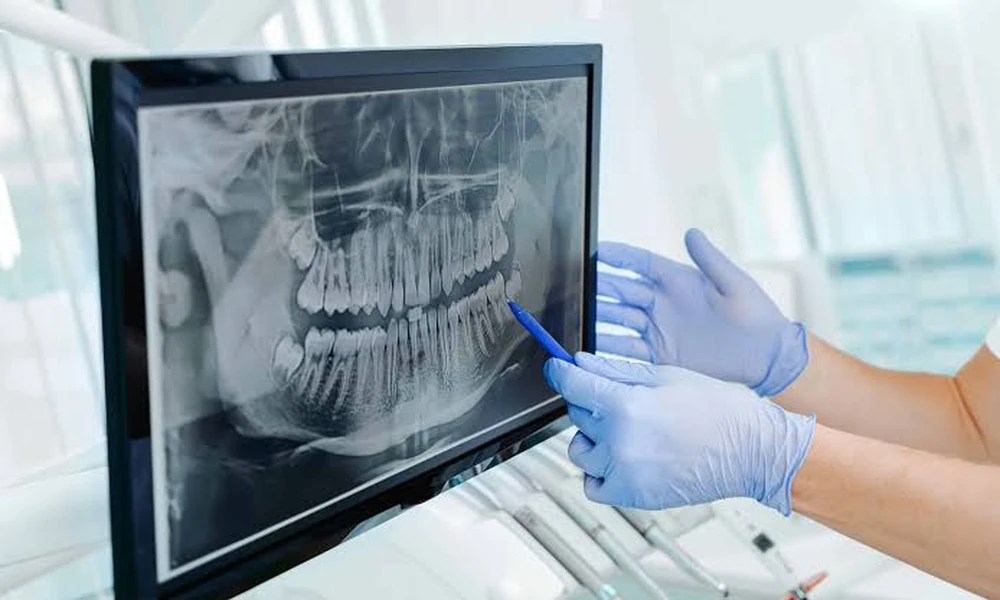
Digital X rays help close that gap. They produce images almost immediately, and those images can often be enlarged, adjusted for contrast, and reviewed chairside with you. That matters because a clearer image can lead to a clearer explanation. You are not left guessing why a filling needs to be replaced or why your dentist wants to monitor a spot for six months.
The technology behind digital dental X rays also supports more precise recordkeeping over time. Your dentist can compare images from one visit to the next and look for subtle changes in bone levels, decay, or the fit of existing dental work. That kind of side by side review is useful in general dentistry, where prevention is often the difference between a simple fix and a root canal or extraction later.
Lower radiation exposure is one reason patients feel more at ease
Radiation is the concern many people carry into the room, even if they do not say it out loud. That concern is understandable. The good news is that digital systems generally use less radiation than traditional film based methods. The National Library of Medicine lists digital radiography as an electronic form of imaging, and one of its practical advantages in dentistry is efficiency with image capture.
That does not mean X rays should be taken casually. They should be based on your health history, your symptoms, your age, and your risk for disease. The FDA explains that dental radiographic examinations should be selected for patients based on need, not done on a rigid one size fits all schedule. Good care is not about taking more images. It is about taking the right images at the right time.
This is where general dentistry has shifted in a meaningful way. With digital systems, your dentist can often get the information they need with less exposure and less delay. For patients who already feel tense about treatment, that can make the appointment feel more manageable.
Digital X rays support better communication in general dentist visits
Confusion often drives dental stress more than the procedure itself. If you cannot see what your dentist sees, every recommendation can feel bigger, more expensive, or more urgent than it may really be. Digital imaging changes that dynamic because the image can be pulled up on a screen in seconds and discussed in plain language.
Picture a patient who has no pain but keeps getting food stuck between two back teeth. A digital bitewing image shows decay beginning under an old filling. That is a very different conversation from hearing, “You need treatment on that tooth.” Seeing the area makes the recommendation feel concrete. It also helps you ask better questions about timing, options, and cost.
Research has supported the broader diagnostic value of digital methods in dentistry. A review available through PubMed Central on digital radiographic imaging in dental practice describes how these systems have improved image handling, storage, and clinical use across routine care. For a general dentist, that translates into smoother workflow and more informed treatment planning. For you, it means less uncertainty.
Traditional film and digital X rays differ in ways patients notice
| Feature | Traditional Film X Rays | Digital X Rays |
|---|---|---|
| Image availability | Requires processing time | Appears almost immediately |
| Radiation dose | Generally higher | Generally lower |
| Image adjustment | Limited after capture | Can often adjust contrast and enlarge image |
| Storage | Physical film storage | Electronic storage and easier comparison over time |
| Patient communication | Less immediate visual review | Easy chairside screen sharing |
For many patients, the value of modern dental imaging is not abstract. It shows up in shorter appointments, faster answers, and a better chance of catching disease before it becomes painful or expensive. In general dentist care, that is a practical improvement, not a flashy extra.
Three steps help you make smarter choices about dental X rays
Ask why the image is needed. You do not need to challenge every recommendation, but you do deserve a reason that fits your situation. If you have a history of frequent cavities, gum disease, or a current symptom, the need may be clear. If you are low risk and symptom free, ask how the image will guide treatment.
Tell your dentist about changes in your health. New pain, pregnancy, dry mouth, recent dental work, or a history of restorative problems all affect imaging decisions. A general dentist can choose the most useful type of X ray when they have the full picture.
Use the images as part of the conversation. When the X ray is on the screen, ask your dentist to point out the area of concern and explain the next step. That small pause can save you from agreeing to treatment you do not understand or delaying care that really should not wait.
Digital X rays are changing general dentistry in ways that feel personal
Most people do not walk into a dental office excited about imaging. They want clear answers, reasonable care, and fewer surprises. Digital X rays help deliver that. They support earlier detection, more efficient visits, and better communication between you and your dentist. In a general dentist setting, those changes can protect both your health and your budget.
If dental visits have felt stressful or unclear before, this part of care has become easier to navigate. When your dentist uses digital imaging thoughtfully, you are in a better position to understand what is happening and what to do next.