

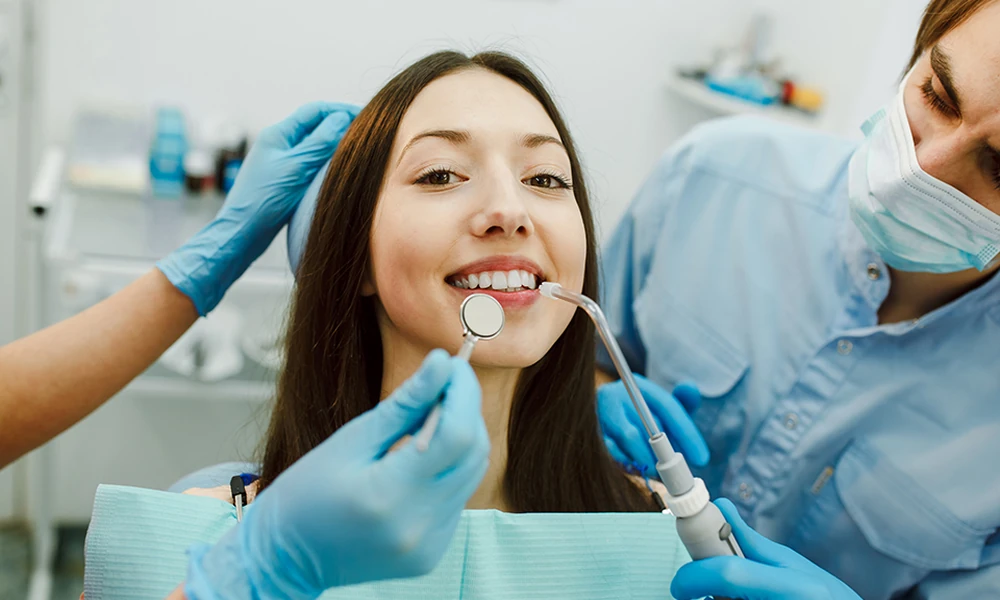
You remind your child to brush, they do a quick swipe across the front teeth, and somehow the toothpaste ends up on the sink, the mirror, and their shirt. A week later, the same scene plays out again. You schedule cleanings, buy a new toothbrush, try sticker charts, and still wonder if any of it is sticking. That frustration is common, especially when you are trying to build healthy routines without turning every morning and bedtime into a fight. Even conversations about long-term dental care, like tooth implants in Pacific Beach, can feel easier than getting kids to brush well every day.
The truth is simple. Good oral health habits rarely come from one lecture or one dental visit. They grow through repetition, predictability, and gentle reinforcement over time. That is where family dentistry helps. A family dentist does more than check for cavities. They create a pattern your child sees again and again, and that pattern teaches brushing, flossing, regular checkups, and comfort with care until those actions feel normal.
Family dentistry turns repeated care into normal daily behavior
Children learn by seeing, doing, and repeating. Adults do too. When the same dental team sees your family over the years, your child starts to connect oral care with familiar faces, familiar language, and familiar routines. That consistency matters because habits form faster when the steps stay steady.
A child who hears the same brushing advice at home and during a dental visit is more likely to remember it. A teenager who has grown up with regular cleanings is less likely to treat dental care like an emergency-only service. The routine itself becomes the lesson. That is the quiet strength of family dental care habits. They do not rely on pressure. They rely on repetition.
That repetition also lowers fear. Many children resist dental visits because the setting feels unknown. When appointments are regular and tied to prevention instead of pain, the office becomes a familiar place instead of a stressful one. That can shape a person’s relationship with dental care for decades.
Repetition in family dentistry supports children and parents at the same time
Parents often carry the full weight of oral care at home. You are tracking toothpaste, watching sugar, reminding kids to rinse, and trying to figure out whether a habit is normal or a problem. If your child gags while brushing, refuses flossing, or clenches their jaw at night, it is easy to feel like you are missing something.
Regular visits to a family dentist help because they reinforce the same messages in a setting your child takes seriously. Sometimes a child ignores a parent ten times, then listens once when the dentist says the same thing. That is not a failure on your part. It is how kids are wired. Repetition from multiple trusted sources makes a habit feel real.
There is also a timing piece. Oral health changes fast in childhood. Baby teeth come in, spacing shifts, adult teeth erupt, and brushing techniques need to change with age. Guidance for a toddler is not the same as guidance for a second grader. The CDC’s oral health tips for children outline age-based prevention steps that work best when families hear and use them often.
That is why lifelong oral health habits are usually built in small repeated moments, not dramatic ones. A two-minute brushing routine. A six-month visit. A quick correction on how to angle the toothbrush. Those moments stack up.
A family dentist catches small problems before they disrupt the habit
Habits are easier to keep when nothing hurts. A child with tooth sensitivity, early decay, sore gums, or crowded teeth may avoid brushing simply because it feels unpleasant. Then the parent sees resistance and assumes it is behavior alone. Sometimes it is behavior. Sometimes it is discomfort.
A family dentist can spot those issues early and keep the routine from breaking down. That matters because once brushing becomes associated with pain, the struggle at home usually gets worse. Prevention protects teeth, but it also protects the habit itself.
Adults benefit from this pattern too. When children watch parents keep their own appointments, they absorb the idea that dental care is part of normal life. That modeling is powerful. Basic home care guidance from sources like MedlinePlus brushing and flossing instructions works best when the whole household treats it as standard practice.
Home reminders and professional reinforcement work better together
Home care and dental visits are not competing tools. They support each other. At home, your child gets daily repetition. In the dental office, they get correction, encouragement, and accountability. If one side is missing, the routine often weakens.
That is especially true with very young children. Parents are often unsure how much toothpaste to use, when to start flossing, or how to brush tiny teeth without a struggle. Advice grounded in child development can make those early years less chaotic. The guidance in these tips for brushing tiny teeth reflects what many parents already sense. Young children need hands-on help, patience, and repeated practice before they can do the job well on their own.
| Approach | What It Looks Like | Likely Result Over Time |
|---|---|---|
| Home care without regular dental visits | Brushing reminders at home, little or no professional follow-up | Inconsistent technique, missed early problems, weaker long-term routine |
| Dental visits without strong home routine | Cleanings and exams, but brushing and flossing happen irregularly | Short-term support, but habits do not fully form between visits |
| Family dentist plus daily repetition at home | Regular checkups, familiar providers, consistent brushing and flossing practice | Stronger habits, less fear, earlier prevention, better long-term oral health |
Small actions with a family dentist create lasting dental habits
Keep appointments predictable. Put dental visits on the calendar the same way you handle school dates or checkups. Children do better when care feels expected, not optional. Predictability reduces anxiety and makes the family dentist part of normal life.
Use the same words at home that your dentist uses. If the dentist says “small circles” or “brush along the gums,” repeat that language during daily brushing. Familiar wording helps your child connect home practice with professional guidance, and that repetition strengthens memory.
Match the routine to your child’s age. A toddler needs full hands-on brushing. A grade-school child needs supervision even if they want independence. A teen needs reminders tied to real outcomes like bad breath, appearance, and avoiding fillings. Good family dentist care adjusts the message as your child grows.
Healthy habits do not appear overnight, and you are not behind if it feels messy right now. Most families build these routines through repetition, missed spots, reminders, and practice. That is normal. A family dentist helps turn those repeated moments into something steady enough to last. When you are ready, schedule the next visit and give your child one more chance to practice the routine that will carry them for years.