

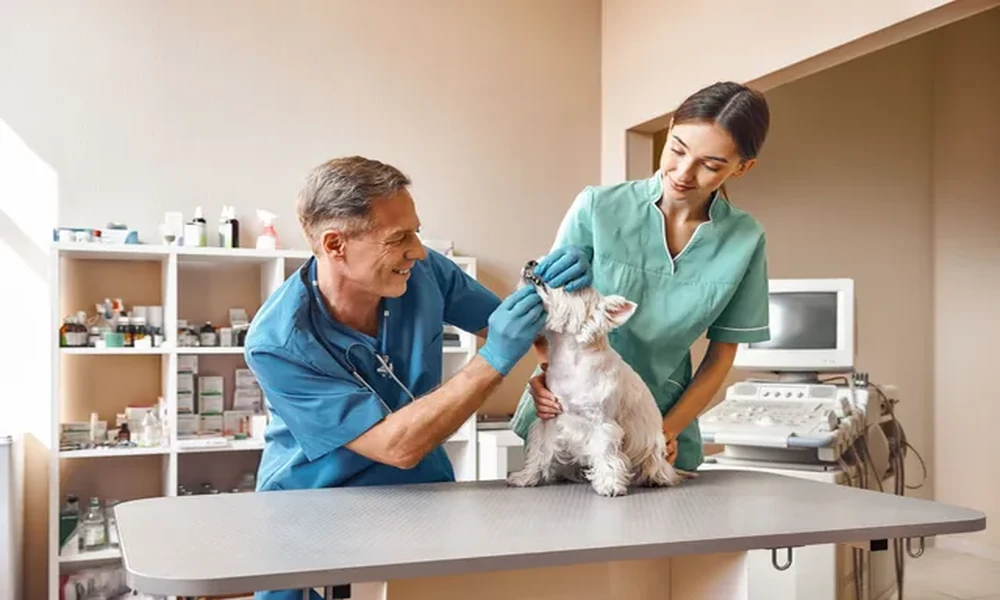
When you live with more than one pet, daily life can feel like a small operation. One dog needs allergy care, one cat skips meals when the routine changes, and the newest pet is still figuring out where they fit. You are not overreacting if it feels like a lot, and working with a veterinarian in Houston, TX can help you manage their different needs. Multi pet homes bring more love, more noise, more mess, and more chances for health issues to overlap.
A good veterinary clinic does more than give vaccines and refill prescriptions. It helps you manage the moving parts of a busy animal household, from prevention and behavior concerns to safe introductions and disease control. That is where 5 Ways Veterinary Clinics Support Multi Pet Households becomes less of a list and more of a lifeline. The right care team helps you catch problems early, reduce stress between pets, and build routines that work in real life.
Veterinary clinics help prevent one pet’s problem from becoming everyone’s problem
In homes with several animals, illness rarely stays simple. A flea problem on one pet can spread fast. A stressed cat may stop using the litter box, which creates tension in the home and can hide a medical issue. A new cough, skin infection, or parasite concern affects more than the animal showing symptoms first.
This is one of the clearest ways a veterinary clinic supports a multi animal household. Regular exams, fecal testing, vaccine planning, and parasite prevention create a barrier between one pet’s illness and a whole home outbreak. Clinics also help you sort out which pets need testing, who should be separated, and when symptoms point to something contagious.
That guidance matters with zoonotic concerns too. If your pets scratch, fight, or bring fleas into the home, your veterinarian may talk with you about reducing the risk of Bartonella and related issues. The CDC offers veterinary guidance on Bartonella prevention and management, and your clinic can turn that information into a plan that fits your household.
Veterinary care gives structure to pet introductions and group dynamics
Adding a new pet can throw off the balance of the whole house. Even social animals can become guarded when food bowls, sleeping spots, toys, and human attention suddenly feel less secure. You may see growling, hiding, pacing, appetite changes, or bathroom accidents. It does not always mean the pets are a bad match. It often means the introduction moved too fast, or one pet is carrying stress in a way that looks like bad behavior.
Veterinary clinics often catch the medical side of these behavior changes. Pain, thyroid disease, urinary issues, dental problems, and skin irritation can all make a pet less tolerant. Once health causes are ruled out or treated, the social piece gets easier to manage.
Your clinic may also point you toward sound introduction plans. For dogs, this guide on introducing a new dog to your current dog gives a clear framework for safer first meetings. For cats, UC Davis provides a helpful PDF on introducing a new cat with steps that respect territorial stress. These are not small details. Slow, managed introductions can prevent injuries and reduce the chance that fear becomes a long term pattern.
Veterinary clinics make preventive care more manageable for busy multi pet families
Keeping track of one pet’s care is easy enough to postpone. Multiply that by three or four, and missed doses become common. Nail trims get pushed back. Annual exams turn into every other year. Weight gain sneaks up because each pet gets treats from different family members and nobody realizes how much is adding up.
Veterinary teams help create systems that make care doable. They can align vaccine schedules when appropriate, set reminder plans, track changing weights over time, and flag breed specific risks before they become expensive emergencies. This is one reason many families rely on veterinary support for multiple pets instead of trying to manage everything from memory.
That support also protects the quieter pets in the home. The animal who never complains still needs dental checks, bloodwork as they age, and guidance on diet and mobility. In a crowded home, the easy pet often gets the least attention. A clinic helps correct that drift.
Clear veterinary guidance lowers stress, cost, and confusion
When several pets share a home, small mistakes can become expensive. Giving the wrong pet the wrong food sounds harmless until it worsens kidney disease or food allergies. Using one pet’s old medication for another can be dangerous. Waiting too long to call because you are hoping it passes can lead to urgent care, isolation needs, and treatment for more than one animal.
Veterinary services reduce that guesswork. You get a plan for who needs what, when to worry, and how to respond without panic. That kind of clarity saves money over time because prevention and early treatment usually cost less than crises.
| Household Challenge | Trying to Manage It Alone | With Veterinary Clinic Support |
|---|---|---|
| New pet introductions | Rushed meetings, stress, fights, setbacks | Behavior guidance, medical screening, safer pacing |
| Shared parasite risk | One missed prevention dose can affect all pets | Coordinated prevention plans and testing |
| Tracking routine care | Missed vaccines, delayed exams, uneven records | Reminders, grouped scheduling, updated care plans |
| Behavior changes | Assuming it is a training issue only | Medical rule outs plus behavior recommendations |
| Chronic conditions in one home | Confusing medications, diet mix ups | Clear instructions tailored to each pet |
Action steps make multi pet care feel less overwhelming
Create one shared care list. Write down each pet’s age, food, medications, prevention dates, and known health issues. Keep it where everyone in the home can see it. This cuts down on double feeding, missed doses, and confusion during a sudden health concern.
Schedule wellness visits before there is a problem. If your pets have not been seen recently, book exams and bring a list of household concerns, even if they seem small. Changes in appetite, litter box habits, tension between pets, scratching, or weight gain are worth discussing early.
Ask for a whole household plan. If one pet is sick, bringing up the other pets matters. Ask whether they need monitoring, testing, prevention changes, or temporary separation. In a multi pet home, the best care plan usually includes everyone.
Steady veterinary support helps your home run better
Living with several pets is rewarding, but it asks a lot from you. You are managing health, personality clashes, routine changes, and the quiet signs that something is off. A strong clinic relationship makes that load lighter. It gives you a place to turn before a small problem spreads through the house, and it helps each animal get care that fits their needs without losing sight of the group.
If your household feels one step behind, start with a veterinary clinic that understands the rhythm of a busy pet home. The right support can bring more calm, better health, and fewer surprises for every animal under your roof.