

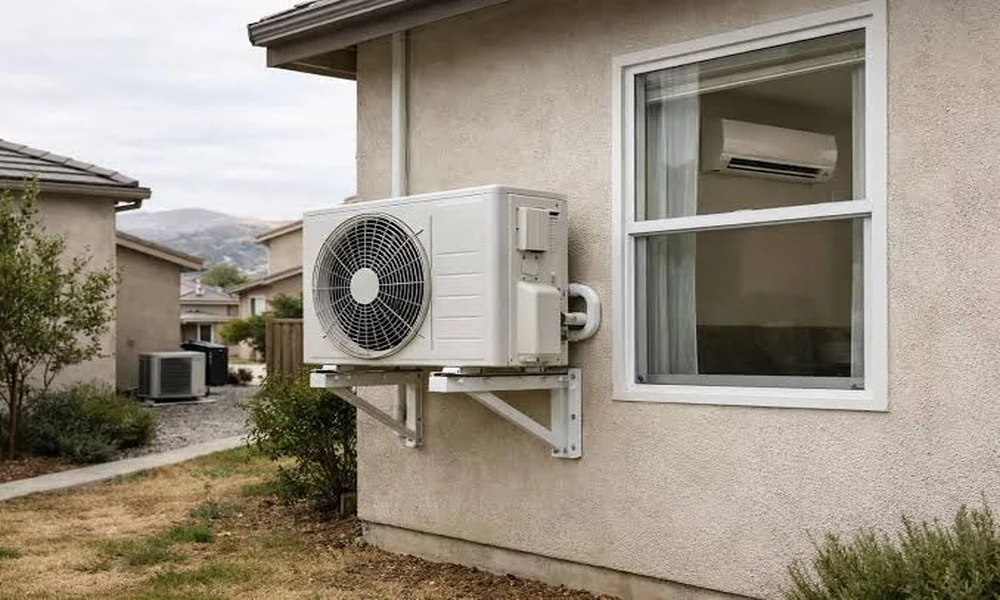
Three winters back, a Bradenton homeowner woke up to 41 degrees inside the house and a heat pump blowing nothing but cool air. The system was eleven years old. It had run fine every summer. It failed on the one night it mattered, because nothing about a Florida winter gives your heater a fair warning.
Here’s the part that sticks with me: the thermostat had shown no warning signs the week before. No odd noises, no strange smell, nothing. Heat pumps don’t announce trouble when they sit idle for nine months. They just quietly lose the ability to start. If you’ve been meaning to book heating repair Manatee County Florida service, the two weeks before the first cold front are the smartest window you’ll get, and hardly anyone uses it.
This is the short version of what a pre-season heating checkup actually catches, why Southwest Florida homes are unusually prone to cold-snap failures, and the five checks you can run yourself this weekend without touching a refrigerant line.
Why a heater that “worked last year” can still fail this year
Your heat pump spends most of the year doing cooling duty. Then cool weather arrives, a reversing valve flips, and the whole system switches jobs. That flip is mechanical. It’s a moving part that sat in one position since roughly March.
Add Florida’s humidity to the picture. Coils, contactors, and circuit boards sit in a warm, damp attic or garage for months on end. According to the U.S. Department of Energy, heat pumps move heat rather than generate it, which is why they stay efficient, but that efficiency depends on every component in the loop working together. One sticky reversing valve or a contactor with a little corrosion and you’ve got a system that runs but doesn’t heat.
I’d take a ten-year-old system with a clean spring service record over a five-year-old system nobody has looked at. Age matters less than what happened during all those idle months.
What the first cold front actually does to demand
Here’s the thing about cold snaps in this part of the state. They aren’t gradual. According to NOAA, cold fronts sweeping down the peninsula can drop overnight temperatures by twenty degrees or more, and the whole region feels it at the same time.
That timing is brutal for homeowners. Every heating system in three counties wakes up on the same night, and every HVAC company’s phone lines light up within the same two hours. If your unit is the one that fails, you’re not competing for a technician slot against your neighbor’s tune-up. You’re competing against hundreds of no-heat calls at once. The people who scheduled a checkup in November are warm. The people who waited are on a callback list.
This is why I keep pushing the pre-season window. It isn’t about being cautious. It’s about avoiding the worst possible queue.
The Idle Season Checklist: five checks you can run yourself
Before you call anyone, spend twenty minutes on the easy stuff. Most no-heat calls I hear about trace back to something on this list. I call it the Idle Season Checklist because the goal is to catch what nine months of sitting still has done.
- Run the heat for ten minutes now, while it’s still warm outside. Flip the thermostat to heat and listen. If it blows cool air, makes a grinding sound, or trips the breaker, you’ve found the failure early and on your own schedule.
- Replace the air filter. A clogged filter chokes airflow in both modes. If your filter looks like a gray felt mat, that’s your first problem, and it’s a five dollar fix.
- Check the outdoor unit for debris. Leaves, palm fronds, and yard clippings pile up around condenser cabinets all summer. Clear a couple of feet of space around it.
- Look at the thermostat batteries and schedule. A thermostat running on dying batteries can fail to call for heat at all. If it’s a programmable model, confirm the heat schedule is actually set.
- Check the breaker and the disconnect box. A tripped breaker at the outdoor disconnect is a common and easy-to-miss cause of a dead heat pump.
If all five check out and the system still won’t heat, stop there. Refrigerant work and reversing valve diagnosis aren’t DIY territory, and poking around inside the cabinet can void your equipment warranty.
What a professional heating checkup adds that you can’t do yourself
A proper pre-season visit goes past the homeowner checklist. A technician checks refrigerant charge, tests the reversing valve through a full cycle, measures amp draw on the compressor and blower, inspects the defrost board, and clears the condensate line. Those are the components that decide whether your system heats on the first genuinely cold night.
Ask for the findings in plain language. A good technician will tell you what’s fine, what’s marginal, and what needs attention now. Here’s where I’ll take a side: if a contractor leads with a full system replacement pitch before they’ve finished diagnostics, get a second opinion. A heating failure in an eight-year-old system is usually a component, not a death sentence.
Emergency planning matters here too. The Florida Division of Emergency Management tracks cold weather advisories across the state, and homes without working heat during a hard freeze are a real safety concern. Having a scheduled service visit on the calendar beats an emergency call at midnight.
How to pick the right window and the right pro
Timing is simple: book the checkup after the summer rush ends and before the first front arrives. In practice, that’s late October through mid-November. Contractors are calmer, scheduling is easier, and any parts your system needs can be ordered without a cold-snap delay.
When you call, ask three questions. Does the company service your specific system type, heat pump or furnace? What does the heating checkup include, line by line? And what’s the warranty on any repair they recommend? The answers tell you more than any review score. A shop that can name its warranty terms without checking with a manager is usually a shop that stands behind its work.
One more thing: confirm they stock common parts for your brand, or can get them fast. A perfectly diagnosed failing blower motor still leaves you cold if the part takes a week to arrive.
The bottom line
Florida heating failures aren’t random. They cluster around the first cold front, they hit systems that sat untouched for nine months, and they almost always cost more to fix in an emergency than they would have in a quiet November service call. Run the Idle Season Checklist this weekend, book a professional checkup if anything feels off, and get ahead of the queue.
Your heater has one job this winter, and it’s been practicing all year by doing a completely different one. Doesn’t it deserve a tune-up before the audition?