

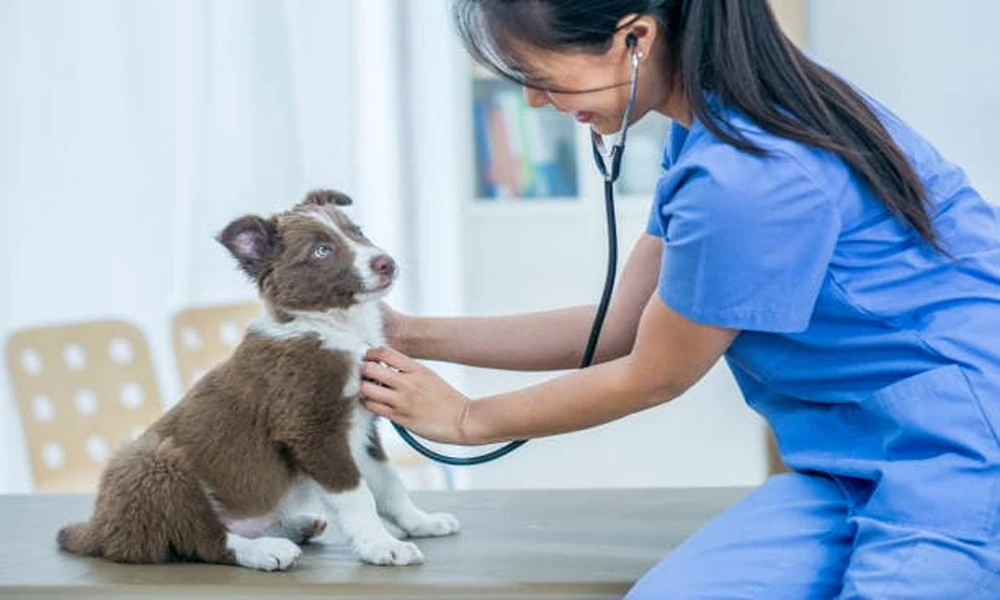
You know the feeling. A routine visit turns into a conversation about a murmur, an irregular rhythm, or fluid around the heart, and suddenly you are trying to make sense of test names you have never heard before. When your pet may have heart disease, the stress is not only emotional. It is practical too. You are thinking about time, cost, risk, and whether you are making the right choice fast enough. If you are looking for cardiology for pets in Longwood, getting clear answers quickly can make the next steps feel more manageable.
The good news is that 4 Advances In Veterinary Cardiology Technology are making that process more precise. The goal is not flashy equipment for its own sake. The real value is earlier detection, better monitoring, clearer imaging, and treatment plans that fit the animal in front of the doctor. If you are looking for a veterinary cardiologist, these tools can shape what gets found, how quickly it gets found, and how confidently care decisions are made.
AI tools are helping veterinarians track heart disease with more precision
Heart disease in pets often unfolds in small changes. A murmur sounds a little different. Breathing shifts at home before anything dramatic shows up in the exam room. Measurements on imaging may drift over time, and those details matter. When tracking depends only on manual review, subtle trends can be missed or interpreted differently from one visit to the next.
That is where artificial intelligence is starting to help. Researchers at Texas A&M are developing an AI tool that could help veterinarians track heart disease more precisely. This kind of technology supports pattern recognition and follow up, which can be useful for pets with chronic valve disease, cardiomyopathy, or cases that need repeated imaging over time.
For you, that can mean fewer gray areas in long term monitoring. If your dog has serial echocardiograms every few months, or your cat has a condition that can change quietly, more consistent measurement can support better timing for medication changes and rechecks. That is one of the clearest benefits of veterinary cardiology technology. It reduces guesswork where guesswork is costly.
AI enabled stethoscopes may improve early screening for pets
Some heart problems are first suspected with a stethoscope, but listening alone has limits. Pets breathe fast, move around, pant, purr, and carry a lot of normal noise in a small chest. A faint murmur or rhythm issue can be easy to miss, especially early on.
North Carolina State University recently highlighted an AI enabled stethoscope for pets designed to support more accurate heart sound detection. This matters because screening is where many cardiac cases begin. If a primary veterinarian gets a stronger signal that something is off, referral to a veterinary cardiologist can happen sooner.
Earlier referral does not always mean bad news. Sometimes it means finding an innocent murmur and giving you peace of mind. Sometimes it means catching disease before a pet collapses or starts struggling to breathe. That is a major shift in advances in animal heart care. Better screening changes the entire timeline.
Transesophageal echocardiography gives specialists a closer view during procedures
Standard echocardiography has transformed cardiac care in animals, but some situations call for more detail. During certain procedures, specialists need real time images from a position that provides a clearer look at heart structures. Surface ultrasound cannot always do that well enough.
Transesophageal echocardiography at Cornell shows how this imaging method can support anesthetic and procedural care. A probe placed in the esophagus sits close to the heart, which can give the care team sharper views while a patient is under anesthesia.
If your pet is facing an interventional procedure or a complex surgery, this kind of imaging can help the team assess function and anatomy with more precision in the moment. For owners, the value is simple. Better visibility supports better decisions when timing and accuracy matter most.
Wearable and remote monitoring trends are changing follow up care
Not every advance comes from the operating room or specialty hospital. Some of the most useful changes are happening in follow up. Remote tracking of breathing rate, activity, sleep, and heart related patterns can help owners notice decline before it becomes an emergency.
This matters because pets rarely worsen on a schedule. A dog with congestive heart failure may seem stable at discharge, then start resting faster three nights later. A cat with hidden heart disease may act normal right up until it does not. Better home monitoring gives your veterinary cardiologist more than a snapshot. It gives a timeline.
That broader trend in pet cardiology advances supports earlier calls, earlier medication adjustments, and fewer situations where families realize too late that symptoms were building.
Practical differences between older methods and newer veterinary cardiology tools
| Technology | What it improves | Practical benefit for pet owners | Common limitation |
|---|---|---|---|
| AI assisted imaging analysis | Consistency in tracking heart changes over time | Clearer follow up decisions and trend monitoring | Still depends on expert interpretation |
| AI enabled stethoscopes | Early detection of murmurs and rhythm issues | Faster referral when something sounds abnormal | Screening tool, not a final diagnosis |
| Transesophageal echocardiography | Detailed real time imaging during anesthesia or procedures | Better procedural guidance in complex cases | Requires specialty training and equipment |
| Remote or wearable monitoring | Home based tracking between appointments | Earlier recognition of worsening symptoms | Data quality varies by device and owner use |
Three steps to take if your pet may need a veterinary cardiologist
1. Gather a clear symptom timeline. Write down coughing, fainting, exercise intolerance, fast resting breathing, appetite changes, and any collapse episodes. Include when they started and how often they happen. This gives the specialist a far better starting point than a general description.
2. Ask what diagnostic tools are actually needed. Not every pet needs every test. Ask whether your pet needs an echocardiogram, ECG, blood pressure check, chest imaging, or advanced monitoring. The right test sequence can save time and money while still getting answers.
3. Use home monitoring between visits. Count your pet’s resting breathing rate when asleep, record short videos of odd episodes, and keep notes on stamina and recovery after activity. That home data often fills in the gap between appointments better than memory can.
Better technology helps, but the right interpretation still matters
These tools are improving how heart disease is found and followed, and that can make a hard situation feel a little less uncertain. You still need a skilled veterinary cardiologist to interpret the data, connect it to symptoms, and decide what matters now versus what can be watched safely.
If your pet has a murmur, an irregular heartbeat, or signs that point to heart disease, do not wait for things to become obvious. Early evaluation gives you more options, more clarity, and a better sense of what comes next.