

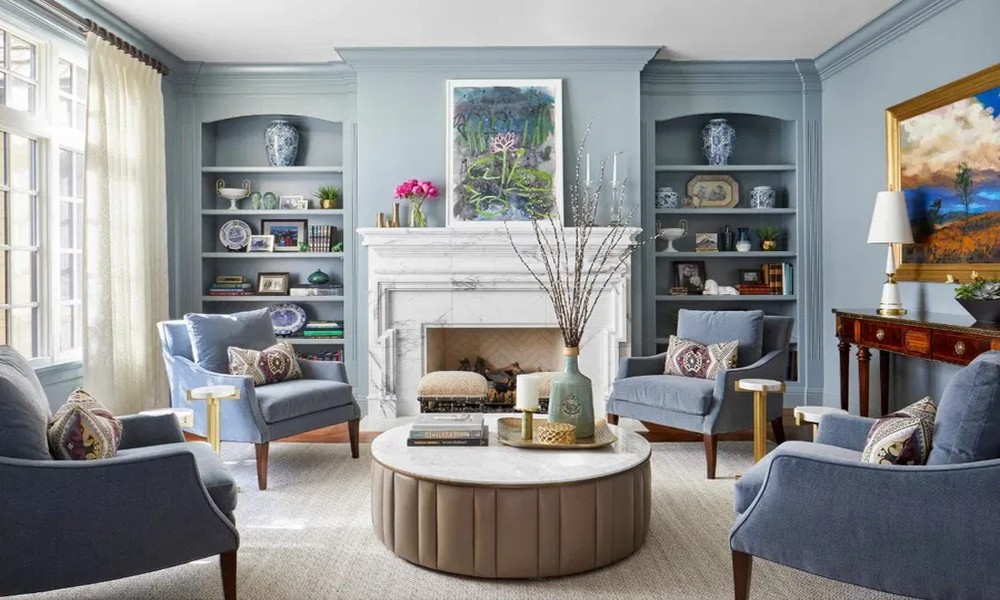
There is a certain magic in vintage furniture. A well-worn leather armchair or a solid oak sideboard carries a story that mass-produced pieces simply cannot replicate. For many, the thrill of the hunt has moved from dusty flea markets to the digital realm. While buying a piece of history online might seem daunting, it can be a smooth and rewarding process. With a few smart strategies, anyone can build a collection of timeless pieces without leaving the comfort of home.
1. Master the Art of Precise Search Terms
Before you Browse the full catalog of vintage goods at Urban Americana and similar online stores, the first step to a successful find is knowing exactly what to look for. Generic terms like “old table” will yield endless, unfiltered results that make the search feel overwhelming. A collector should use specific keywords such as “Milo Baughman chrome dining table” or “teak mid-century credenza.” Including terms like “solid wood” or “dovetail joinery” helps filter out pieces made with lower-quality materials. This precise approach saves time and leads a buyer straight to the gems hidden among the listings.
2. Scrutinize Photographs with a Critical Eye
Photographs are the closest a buyer can get to inspecting a piece in person, so they demand close attention. One should look for listings that offer high-resolution images from multiple angles, including shots of the back, corners, and interior. A buyer needs to zoom in on the images to check for cracks, watermarks, or signs of previous repairs. If the photos appear blurry or conveniently hide certain details, it is often a sign to proceed with caution or request clearer pictures from the seller.
3. Verify Dimensions to Ensure a Perfect Fit
One of the most common disappointments in online furniture buying is a size miscalculation. A piece that looks perfectly scaled in a photograph can become an oversized obstacle in a small living room. Before hitting the purchase button, a buyer must confirm the item’s height, width, and depth, and compare those numbers against the intended space. It helps to use painter’s tape on the floor to outline the dimensions. This simple practice prevents the hassle of returns and guarantees the new piece fits the home as perfectly as imagined.
4. Ask the Seller Specific Questions
A reputable seller expects questions and welcomes the opportunity to provide clarity. A buyer should feel empowered to ask about the piece’s provenance, past repairs, or any unusual odors like smoke or mustiness. Inquiries about shipping methods are also important, especially whether the item will be disassembled for transit. The responsiveness and transparency of the seller often serve as a reliable indicator of a trustworthy transaction.
5. Investigate the Seller’s Reputation and Policies
Trust is the foundation of any online purchase, particularly for high-value vintage items. Prior to making a commitment, a buyer should read customer reviews on the platform or look for the seller’s presence on social media to gauge their reputation. It is wise to review the return policy and shipping insurance options carefully. A seller who has clear, fair policies in place demonstrates professionalism and a commitment to customer satisfaction.
6. Look for Authenticity in Construction and Materials
True vintage furniture is defined by its construction methods. A discerning buyer should look for details that indicate age and quality when they Browse the full catalog of vintage goods at Urban Americana and similar establishments. Solid wood construction, as opposed to particleboard or veneer over composite materials, is a strong sign of durability and value. Recognizing these construction hallmarks helps a buyer distinguish a genuine vintage piece from a modern reproduction.
Buying vintage furniture online is an art that combines patience, research, and a keen eye for detail. By using precise search terms, scrutinizing photos, and asking the right questions, a buyer can navigate the digital marketplace with confidence. The process transforms from a risky gamble into a curated experience. Ultimately, the reward is a one-of-a-kind piece that adds character and a sense of history to a home, proving that the best treasures are often just a click away.