

High-quality early childhood education provides a solid foundation for young minds. Parents in Fort Lauderdale seek programs that promote growth, curiosity, and essential life skills. A structured environment allows children to discover new concepts and build confidence. Early lessons shape how individuals interact with peers and approach future academic tasks. This article explores how specific classroom practices foster cognitive and social development in young learners.
Enourage Hands-On Learning Experiences
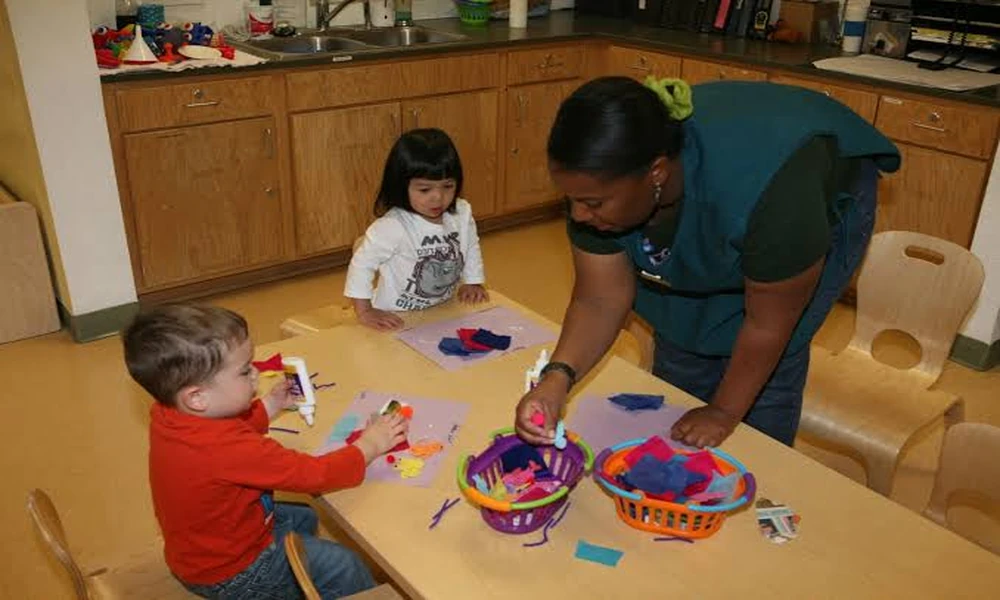
Age-appropriate classroom activities help children explore new concepts through direct physical interaction. A quality NAEYC accredited preschool and VPK in Fort Lauderdale uses sensory materials to build natural curiosity. Children touch, stack, and sort objects to grasp basic math and science principles. These interactive lessons strengthen cognitive development and keep young minds active. Trained educators guide these moments to turn simple play into intentional learning experiences.
Build Strong Communication Skills
Language-rich classrooms help children develop strong communication skills through regular verbal interaction. Daily conversations and collaborative group activities allow learners to express thoughts clearly. Teachers read books aloud to introduce new words and spark imaginative thoughts. These practices teach young students how to listen to others and respond appropriately. Structured instruction ensures that every child receives ample support to expand their vocabulary.
Classroom Activities That Strengthen Communication
- Story time
- Group discussions
- Vocabulary practice
- Music and songs
- Classroom participation
Foster Positive Social Interactions
Daily interaction with classmates helps children develop vital social skills like cooperation and respect. Group projects require students to share materials and work toward common goals. Peer play teaches young learners how to understand different perspectives and display empathy. These shared moments build a sense of community within the classroom environment. Purposeful learning activities encourage children to form healthy relationships with their peers.
Support Emotional Growth Through Daily Activities
Structured routines and positive reinforcement help children recognize and manage emotions effectively. Clear daily schedules provide a sense of security and reduce behavioral anxiety. Guided classroom experiences teach kids how to handle frustration and practice self-control. Educators offer calm guidance to help students navigate complex feelings during the day. Consistent developmental support ensures that children feel safe as they learn emotional boundaries.
Daily Habits That Support Emotional Growth
Promote Age-Appropriate Problem-Solving Skills
Puzzles, creative tasks, and classroom challenges encourage critical thinking from an early age. Children learn to evaluate options and make independent decisions during guided exploration. Simple setbacks teach students to stay patient and try alternative solutions. These activities build cognitive flexibility and prepare minds for complex future tasks. Qualified teachers provide subtle hints rather than direct answers to promote independent thought.
Prepare Children for Future Academic Success in Fort Lauderdale
A quality preschool program helps children build academic readiness before they enter kindergarten. Students develop essential learning habits, focus, and social confidence through daily lessons. Early exposure to structured routines makes the transition to elementary school smooth. Children leave the program with a genuine love for discovery and education. This preparation sets a firm baseline for all future scholastic achievements.
A NAEYC accredited preschool and VPK in Fort Lauderdale strengthens cognitive, social, and emotional development through research-based teaching practices. Qualified educators design purposeful classroom experiences that align with proven early childhood standards. Family involvement plays a key role in reinforcement, which connects home life with school success. This comprehensive educational model ensures that young learners receive balanced support across all areas of growth.
Selecting the right early childhood environment requires careful attention to classroom interactions and structured routines. Parents should observe how teachers guide behavior and promote independent choice during daily visits. A focus on balanced growth ensures that children gain both academic readiness and vital social tools. Look for programs that connect family involvement with daily classroom experiences to create a seamless transition into kindergarten. This mindful selection process establishes a joyful, lifelong pathway toward educational excellence and personal growth.